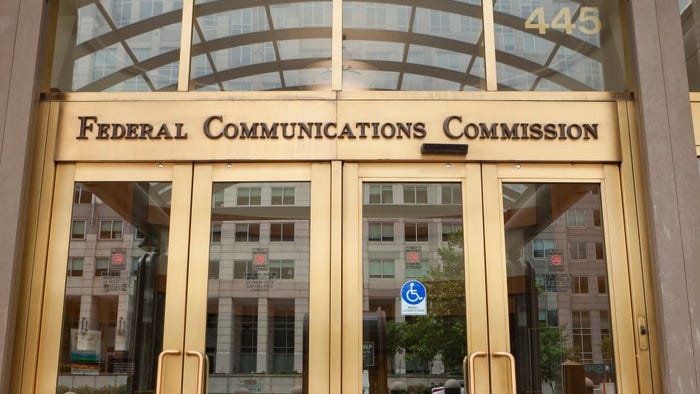
UK communications regulator Ofcom has finally been given the go ahead to move forward with the auctioning of 4G spectrum, as well as the refarming of 2G spectrum so it can be used for 3G services. However, ongoing delays have put the country behind other parts of Western Europe and operators are unlikely to get their hands on the attractive 2.6GHz band before 2012.
Israel is preparing to welcome its first MVNOs after recently publishing regulations allowing local operators to host service providers. On Wednesday the Israel Post (the post office) said it has contracted Belgian MVNO enabler Effortel to project manage its launch.
Spanish carrier Telefónica said Wednesday that it has finally reached an agreement with Portugal Telecom over the acquisition of Brazilian operator Vivo.
The Wholesale Applications Community (WAC) on Wednesday completed its formation as a corporate entity and cemented its partnership with the Joint Innovation Lab (JIL). The company also outlined the business models it will pursue, putting it some distance behind competing platforms.
- App store market opportunity overhyped
- NSN wins $7bn LTE contract from new US player
- Motorola sues Huawei for corporate espionage
- Green light fingered
- Nokia Q2 profit drops 63 per cent
- WAC and JIL: Mobile app platforms merge
- Virgin, Qtel slapped down by watchdog
- Ericsson wins large fibre contract in India
- Analyse this
- HP reveals tablet plans

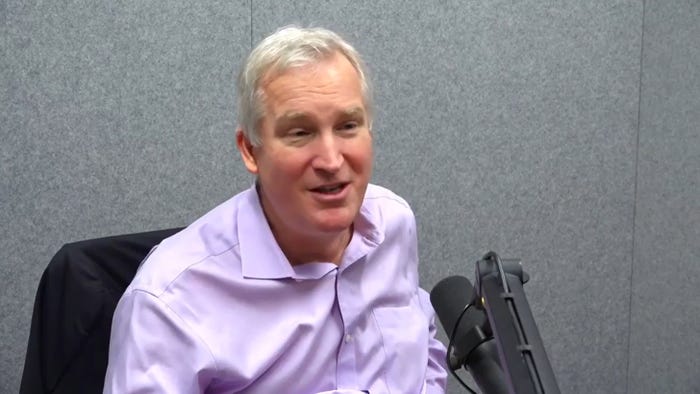
The sudden and explosive growth of mobile data is well documented and networks in mature markets worldwide are creaking under the strain. So it felt timely that telecoms.com should have a meeting with Darren Silvester, information management architect at 3 UK, on the eve of the launch of Apple’s iPhone 4.
MCI #165 June 2010
The women who wield the most power in the mobile industry.
Select a Region:


- LTE Asia
Hong Kong — Sep 7, 2010 - OSS/BSS World Summit
London — Sep 8, 2010 - SDP Global Summit
London, UK — Sep 15, 2010


It all sounds impressive. So could operators prove sceptics wrong and successfully pull off a multilateral initiative of this scale where so many others have failed before? Could operators have found the answer to fighting back against the huge lead taken by mobile-industry outsiders Apple and Google on the mobile applications front?