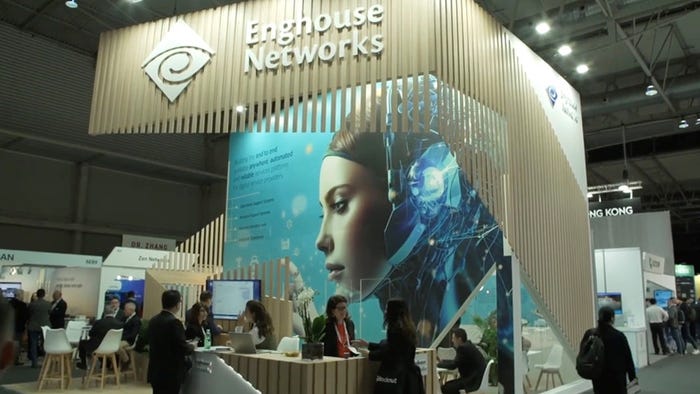
Highlights from day one of Barcelona
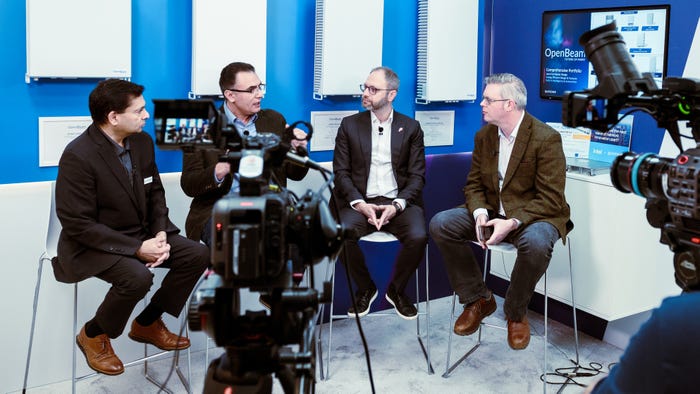
An agreement between 15 of the world’s largest mobile operators to combat the dominance of Apple in mobile applications dominated proceedings on Day 1 of the Mobile World Congress here in Barcelona.
Unresolved questions about the Nokia–Microsoft tie-up hung heavily over Barcelona today like the grey clouds and drizzle which seem to have become an unwelcome feature of the Mobile World Congresses in this city.
When the mobile industry became aware of the potential of HSPA to offer high speed mobile broadband services more than five years ago, the key protagonists – mobile operators and network infrastructure vendors – decided that this would inevitably mean the end of the public wifi business model.
An agreement between 15 of the world’s largest mobile operators to combat the dominance of Apple in mobile applications dominated proceedings on Day 1 of the Mobile World Congress here in Barcelona.
It’s hard to imagine an industry that generates US$200 billion in global revenues – a figure that’s growing 35% a year – as anything other than an outstanding success story. But for some time there has been a widely held view that the mobile content sector is failing to live up to expectations, 3G has disappointed and mobile operators have thrown away an opportunity to develop a revenue stream that could ultimately surpass the voice business.
Mobile operators are starting to uncover new business models that help to address the problems posed by saturated mobile markets and high handset subsidies.